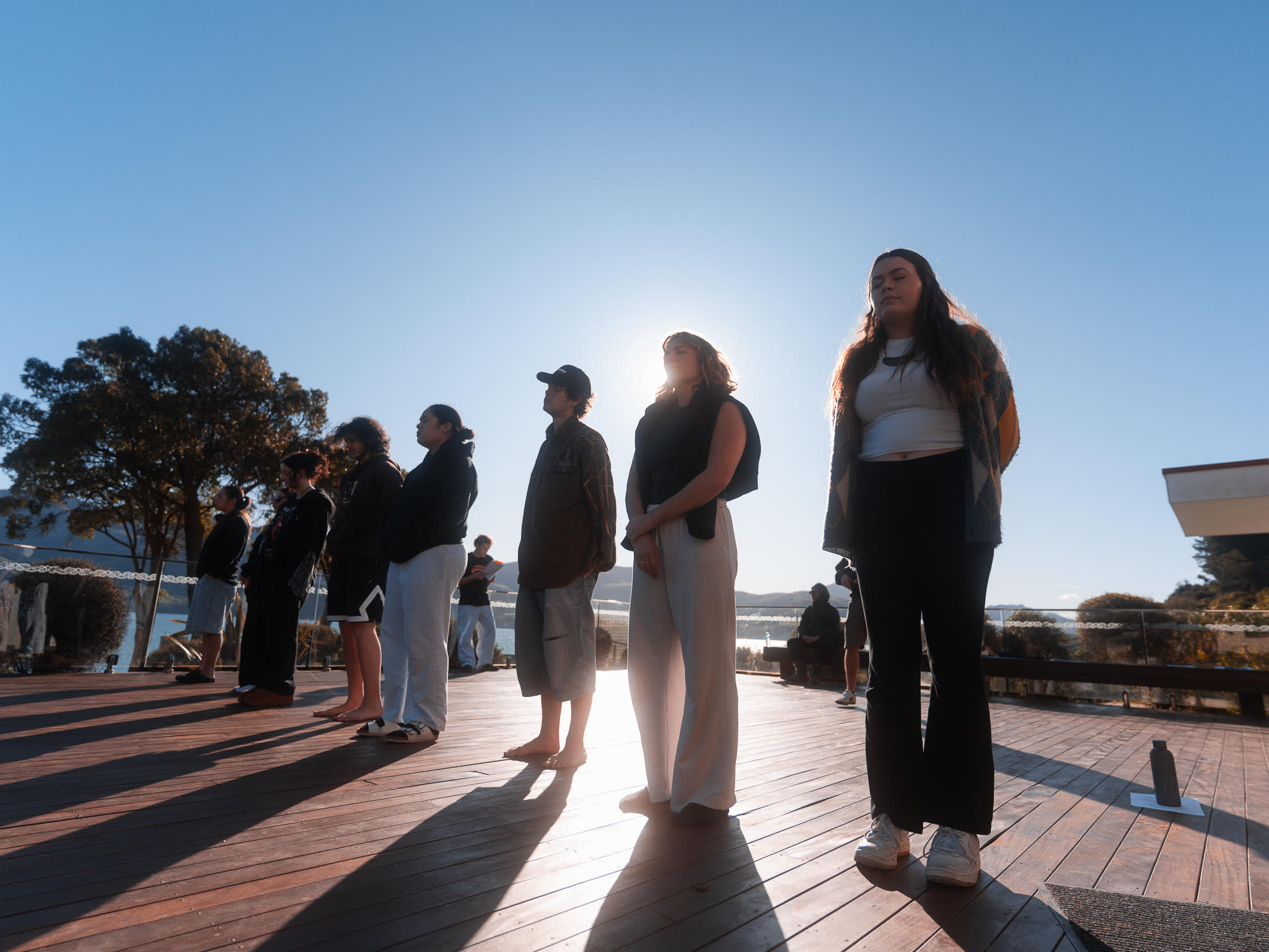
We do this by providing the tools, confidence and connections to turn that hope into action, so that all rangatahi feel empowered and can see themselves reflected in their future – one that is trusting, inclusive and connected.
.jpg)
We know rangatahi are deeply aware of the challenges currently being faced around the globe – we have a window of opportunity to turn their awareness and anxiety, into agency and action.
“Genuinely world leading.”
-Cat Tully, Director of the School of International Futures
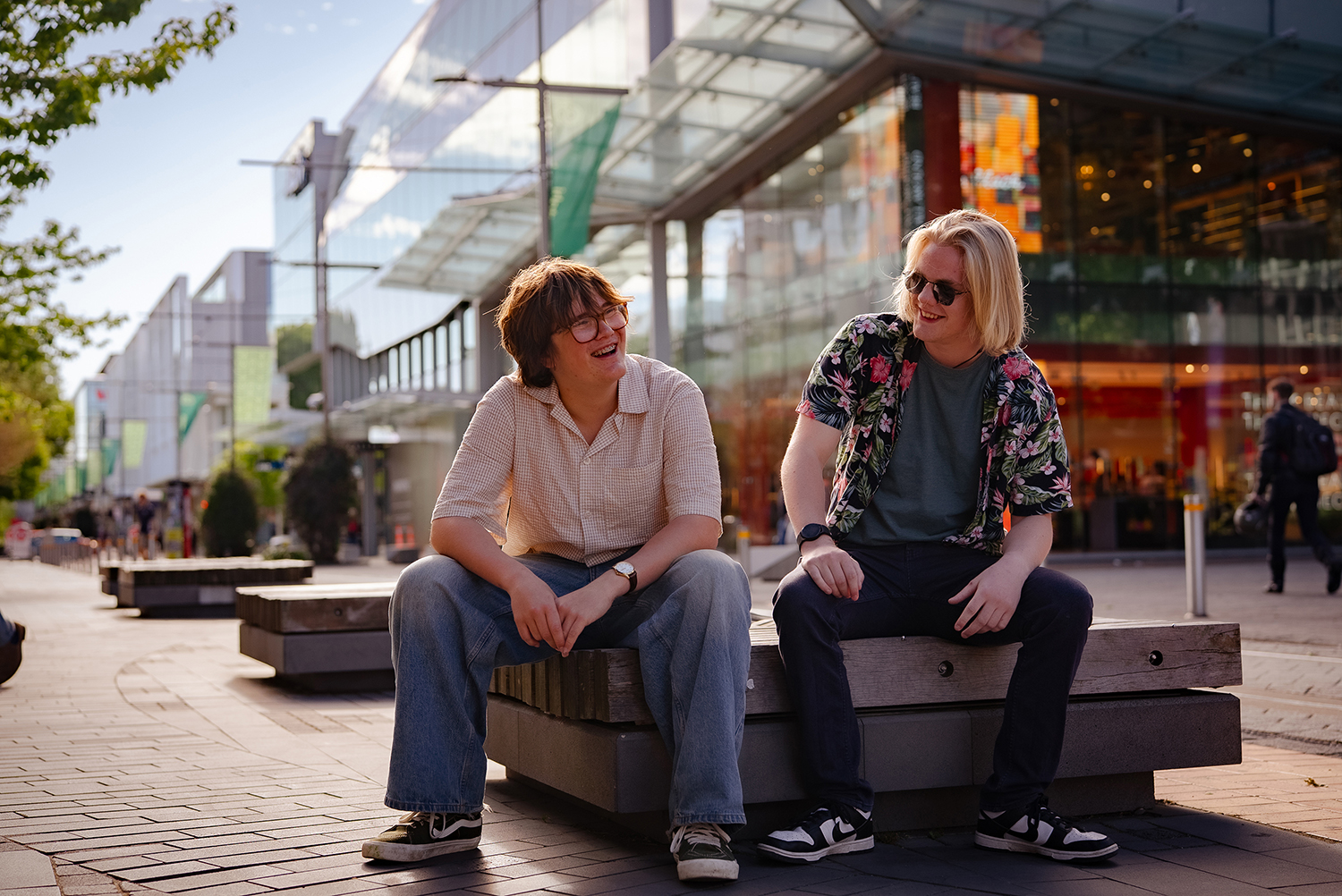
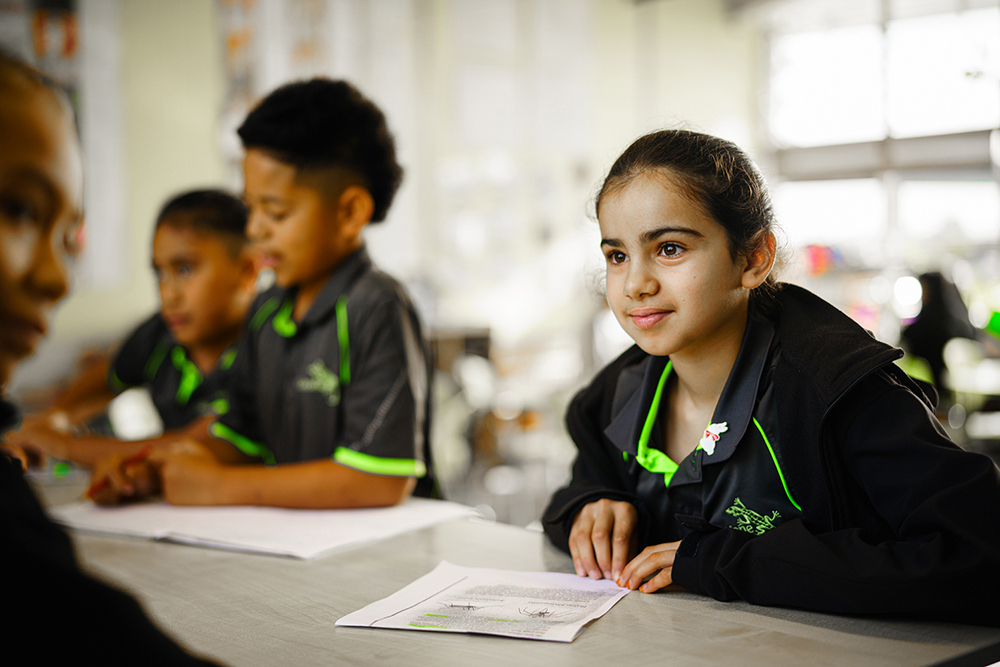


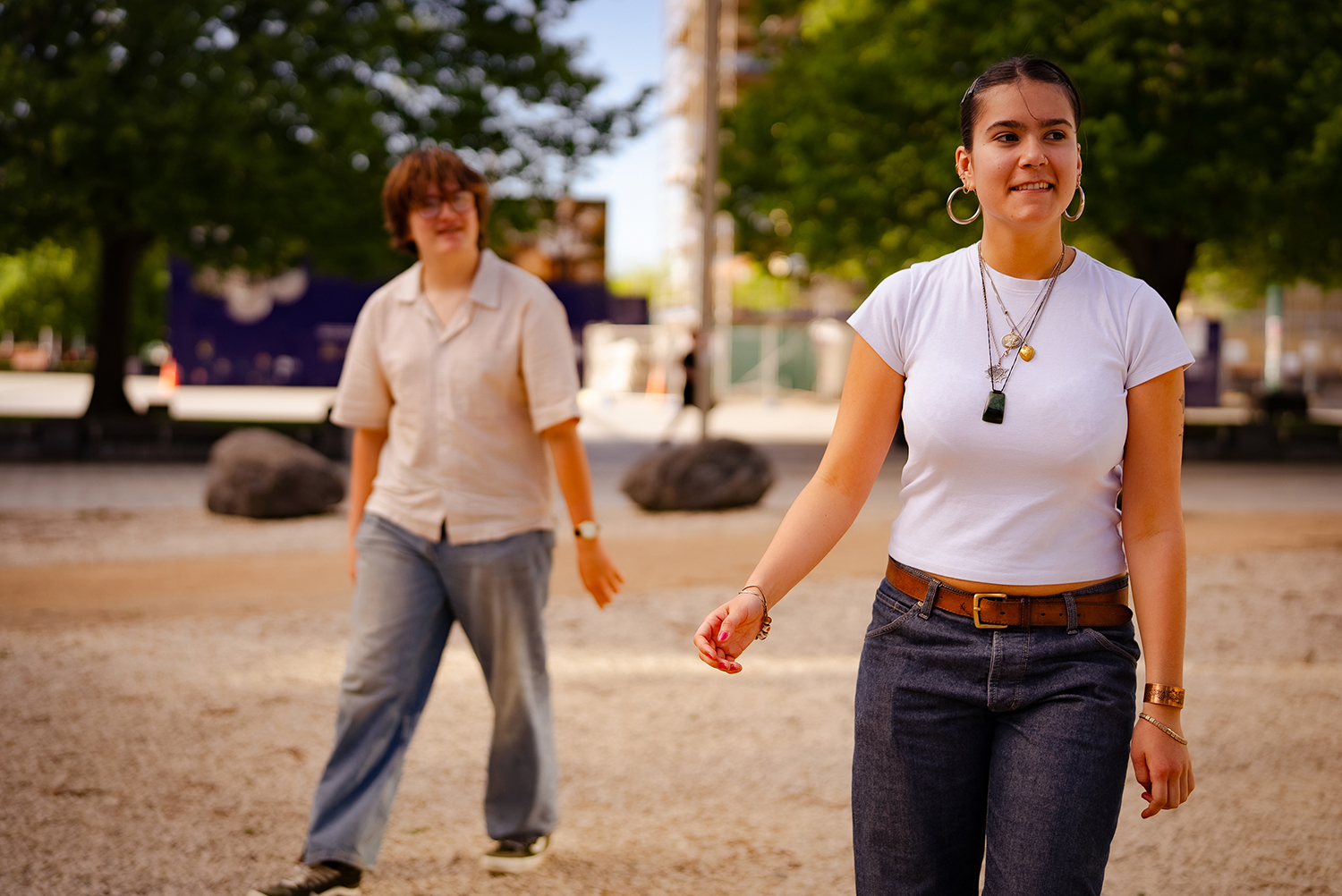
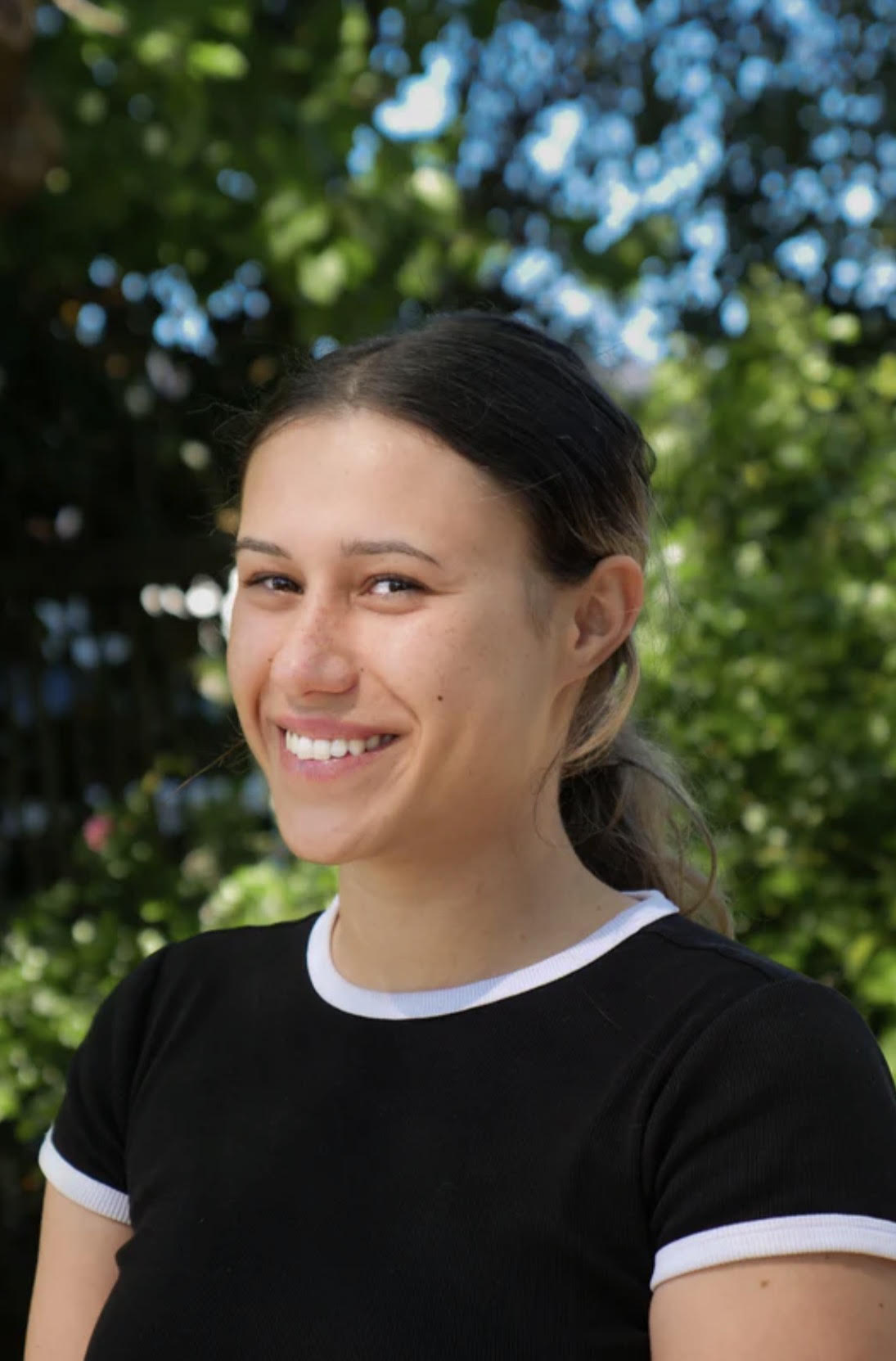
“Before this, I didn’t feel like I was a part of the future, but now I definitely do.”
-Jewlz Rupene-Gray, rangatahi
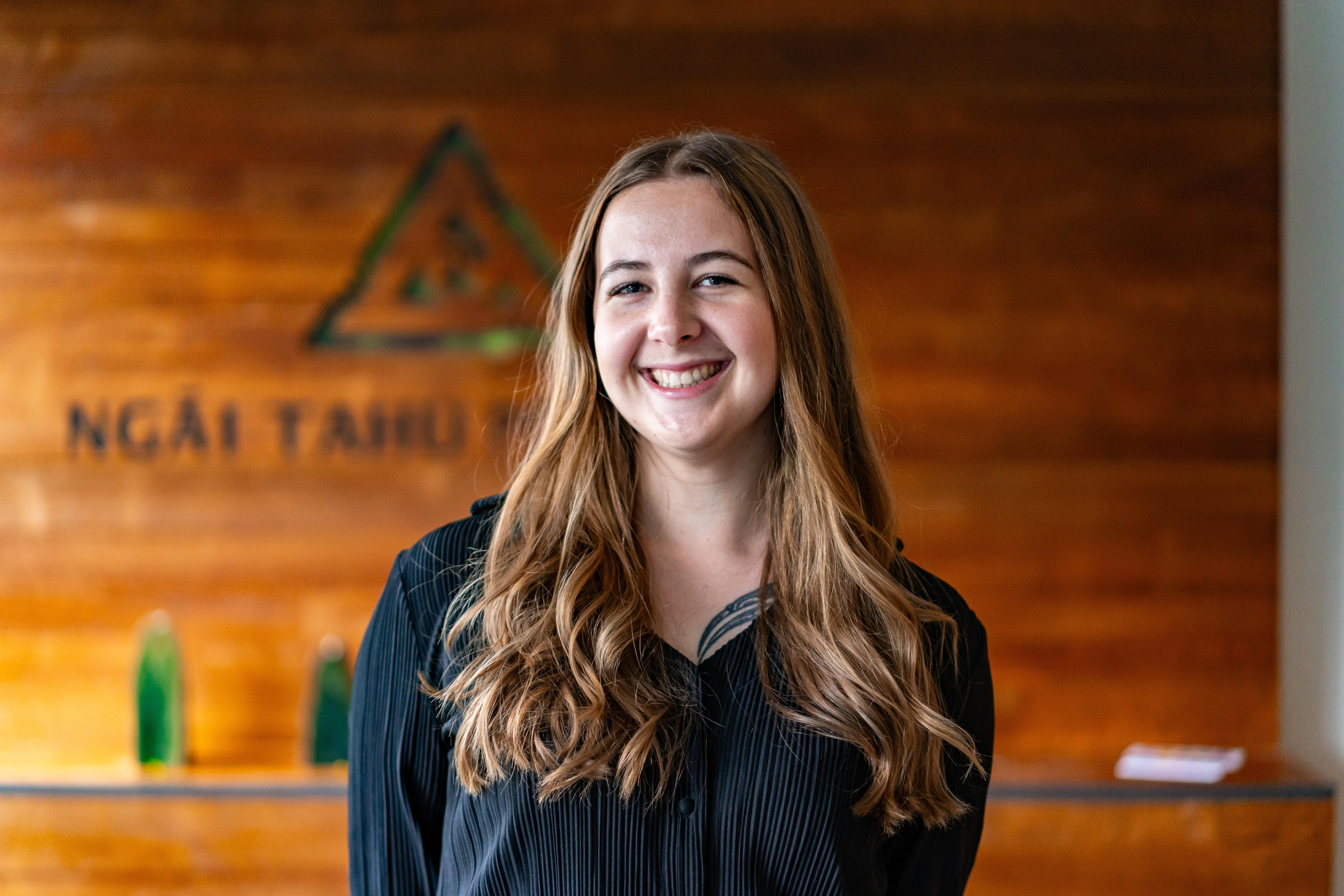
“There’s these small steps, tangible things that I can actually do. I found it really eased my anxiety for the future because it’s like I can impact my circle around me with these tools.”
Elizabeth Wells, rangatahi
Read Stories from our Mō Āpōpō Future Makers.
.jpg)
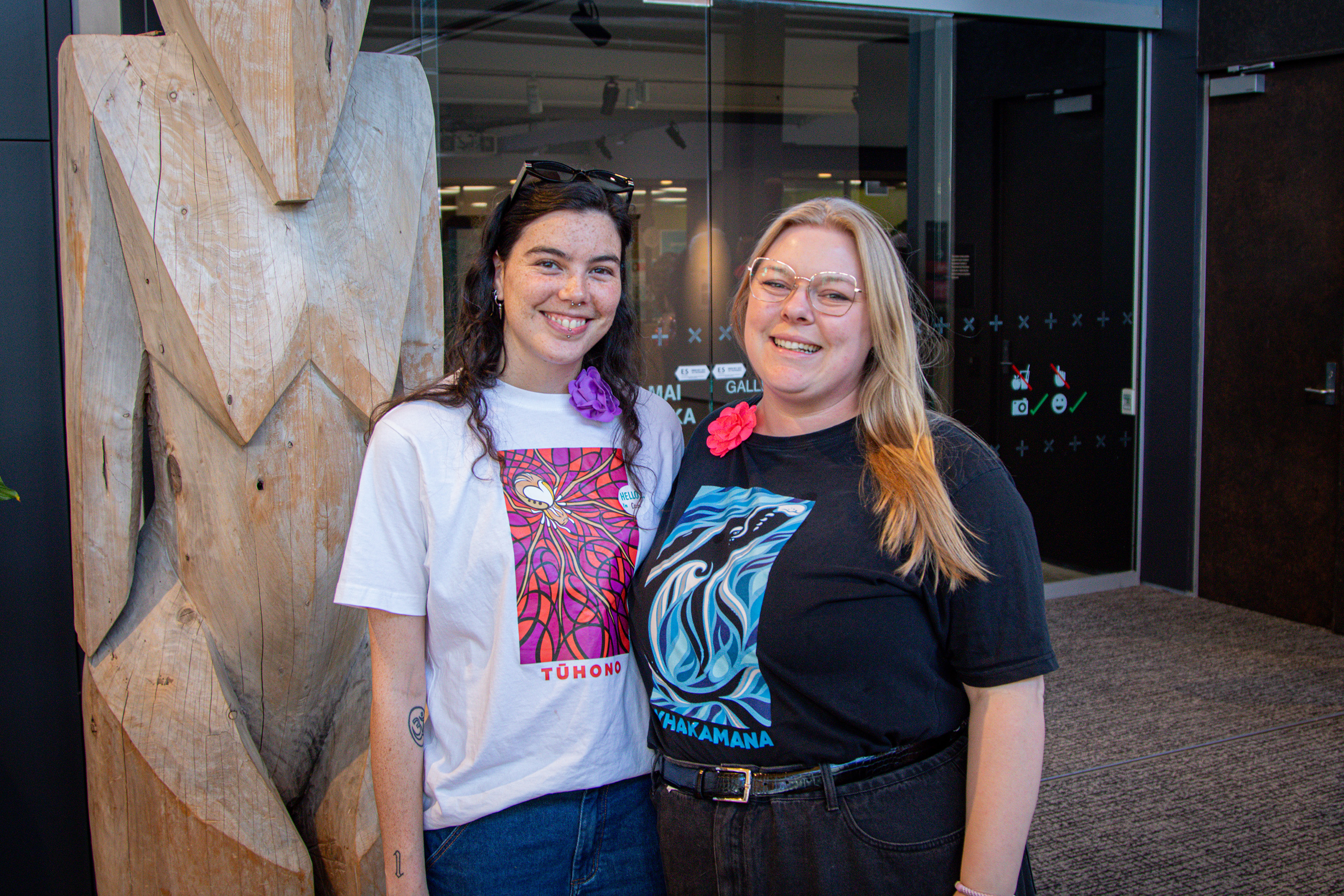
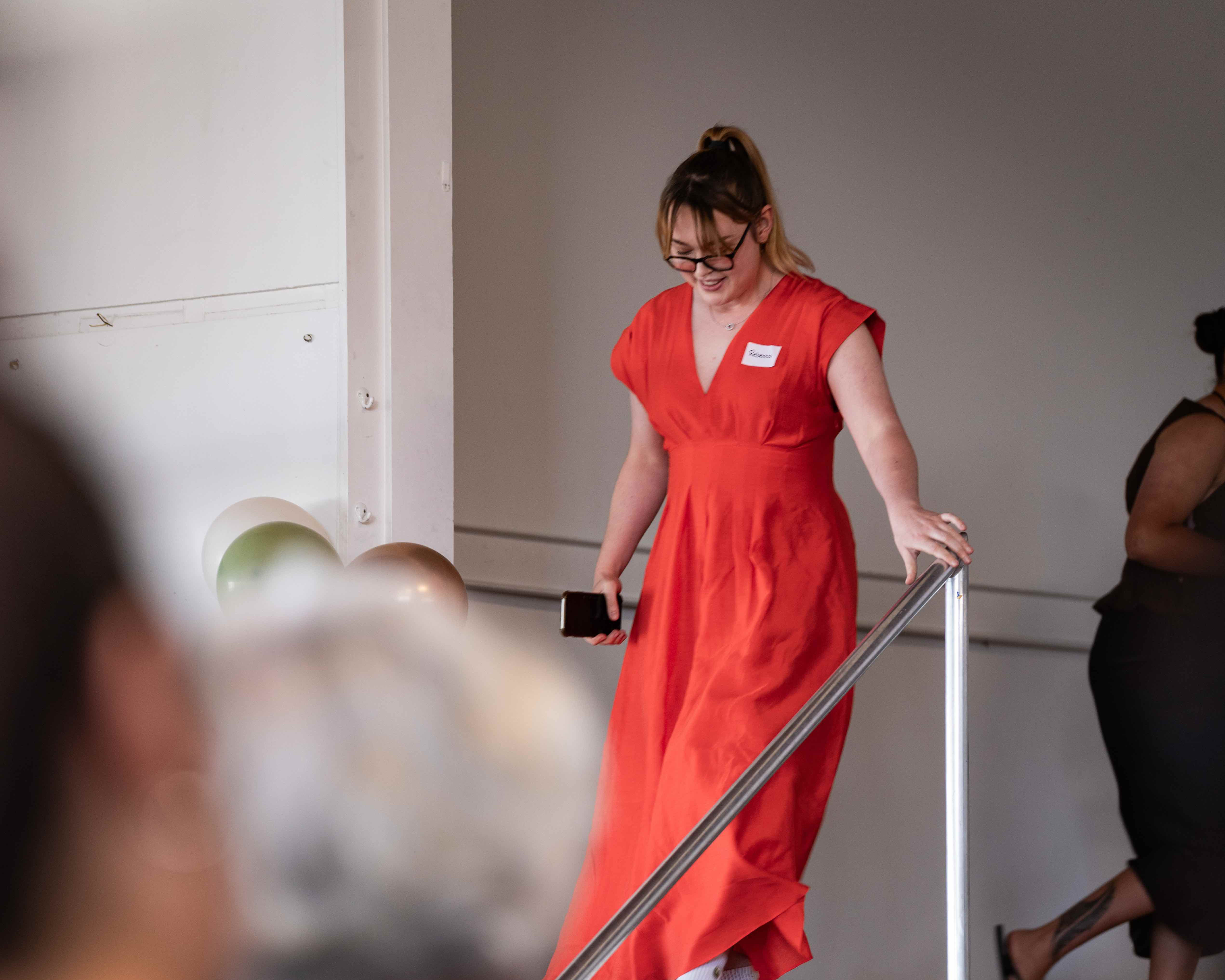
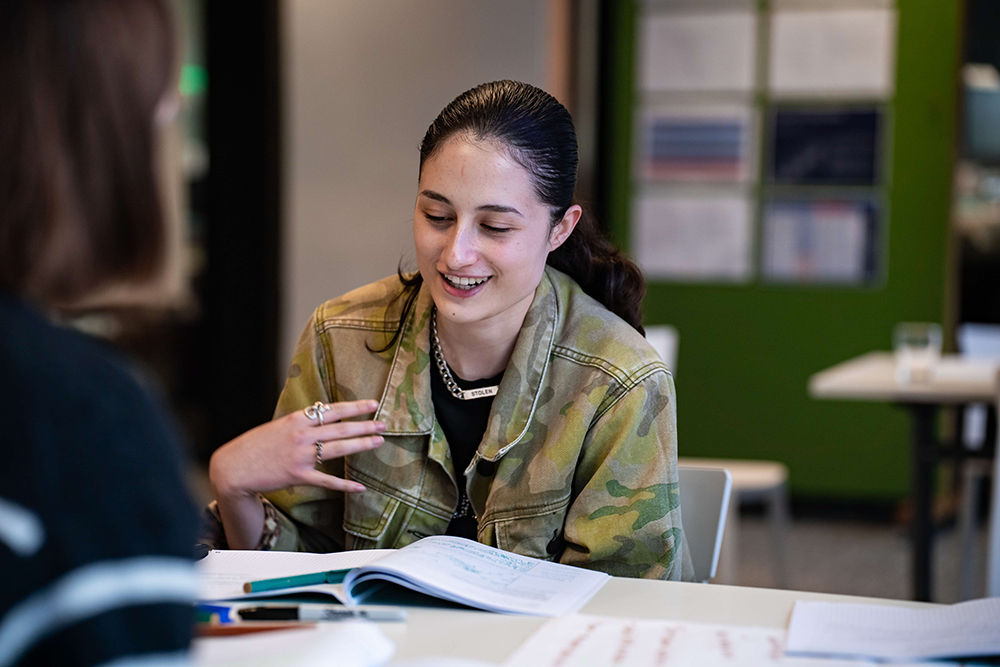
We weave Māori concepts and stories to encourage young people to engage in conversations about our collective future.
We embrace difference and build bridges between perspectives, creating something greater than the sum of our parts.
“Mō Āpōpō shows that together is better – an invaluable lesson for the next generation.”
Kendall Flutey, Chief Operating Officer, Te Rūnanga o Ngāi Tahu
Our toolkit empowers rangatahi 12–25 years old to work collectively to solve problems and dream big about a better tomorrow. We use the tools in various ways to inspire outside of the box thinking, encourage collaboration and build critical futures thinking skills.
We’ve partnered with School Kit to launch Mō Āpōpō into 500 classrooms, building the foundational skills needed for our collective future with 16,000 Year 7-10 students.
In collaboration with local, regional, and kaupapa-based youth councils across Aotearoa, we equip rangatahi already engaging in their communities with new approaches to shape what’s next.
We prioritise research to ensure our work is having wide reaching impacts. We do this by:
Working with partners to better understand youth hopefulness and participation.

Thanks to our funders: Peter McKenzie Project and Rātā Foundation who continue to believe in Tokona te Raki and support our kaupapa.
Do you have an interest in empowering passionate young people to build a better tomorrow? If so, please get in touch. We would love to support you to design, deliver and evaluate an approach that delivers your desired outcomes.
If you want to know more about Mō Āpōpō future-makers, please contact:
Alice Dimond
Project Manager
alice.dimond@ngaitahu.iwi.nz