

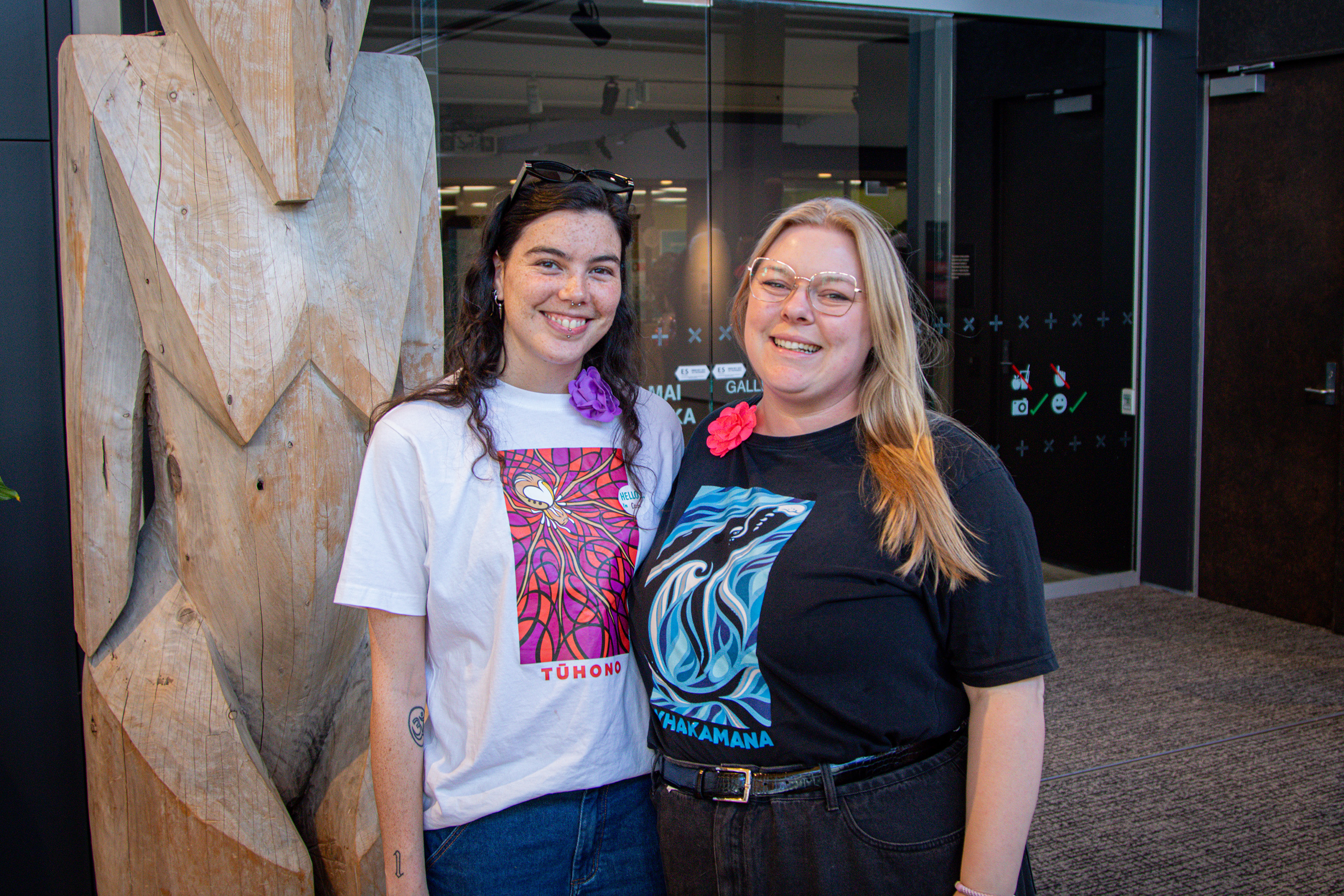
VOYCE – Whakarongo Mai kaimahi, Tayla Taylor (Youth Development Lead) and Cameron McKay (Care Experienced Youth Participation Advisor), support rangatahi with care experience to take part in the Mō Āpōpō Future Leaders programme.
"We sit in a space of systems change, working with young people who have spent their life –or parts of it – navigating the care system and the systems that interact with it," says Tayla.
"Often young people in care, with care experience, have to be so focused on living in the 'now'. This kaupapa gives them a language for thinking about and caring about the future.”
One young person Tayla has been supporting has used the tools to plan interviews connected to a cause they care about. "I've watched them build structure around Te Korekoreka and become more self-starting in how they initiate kōrero to learn about their topic," says Tayla.
Another used the tools to work through their thoughts on an issue facing the gender diverse community, and it moved them to act, rallying other care-experienced young people to put together a submission.
“This work matters because it encourages them to think of an alternative way of thinking about the system, and the future we can create for other tamariki and rangatahi in care," says Tayla.
Cameron has seen a similar shift play out through a different part of the programme. "I have seen our rangatahi step into their rangatiratanga through the Mō Āpōpō programme, especially in learning about Ō Taringa and the importance of finding common ground when considering different perspectives and experiences."
They observed one rangatahi grow in their ability to hold space for views that contrast with their own, leading to "deeper and more meaningful kōrero that has helped them better understand their challenge and the barriers to positive change."
Rangatahi are also sharing their future-maker archetypes – something they discover through a Mō Āpōpō quiz – with each other in group chats, talking about how it relates to them. This is part of the shift. It's rangatahi finding the words for who they are and what they're good at.
VOYCE – Whakarongo Mai kaimahi, Tayla Taylor (Youth Development Lead) and Cameron McKay (Care Experienced Youth Participation Advisor), support rangatahi with care experience to take part in the Mō Āpōpō Future Leaders programme.
"We sit in a space of systems change, working with young people who have spent their life –or parts of it – navigating the care system and the systems that interact with it," says Tayla.
"Often young people in care, with care experience, have to be so focused on living in the 'now'. This kaupapa gives them a language for thinking about and caring about the future.”
One young person Tayla has been supporting has used the tools to plan interviews connected to a cause they care about. "I've watched them build structure around Te Korekoreka and become more self-starting in how they initiate kōrero to learn about their topic," says Tayla.
Another used the tools to work through their thoughts on an issue facing the gender diverse community, and it moved them to act, rallying other care-experienced young people to put together a submission.
“This work matters because it encourages them to think of an alternative way of thinking about the system, and the future we can create for other tamariki and rangatahi in care," says Tayla.
Cameron has seen a similar shift play out through a different part of the programme. "I have seen our rangatahi step into their rangatiratanga through the Mō Āpōpō programme, especially in learning about Ō Taringa and the importance of finding common ground when considering different perspectives and experiences."
They observed one rangatahi grow in their ability to hold space for views that contrast with their own, leading to "deeper and more meaningful kōrero that has helped them better understand their challenge and the barriers to positive change."
Rangatahi are also sharing their future-maker archetypes – something they discover through a Mō Āpōpō quiz – with each other in group chats, talking about how it relates to them. This is part of the shift. It's rangatahi finding the words for who they are and what they're good at.
