


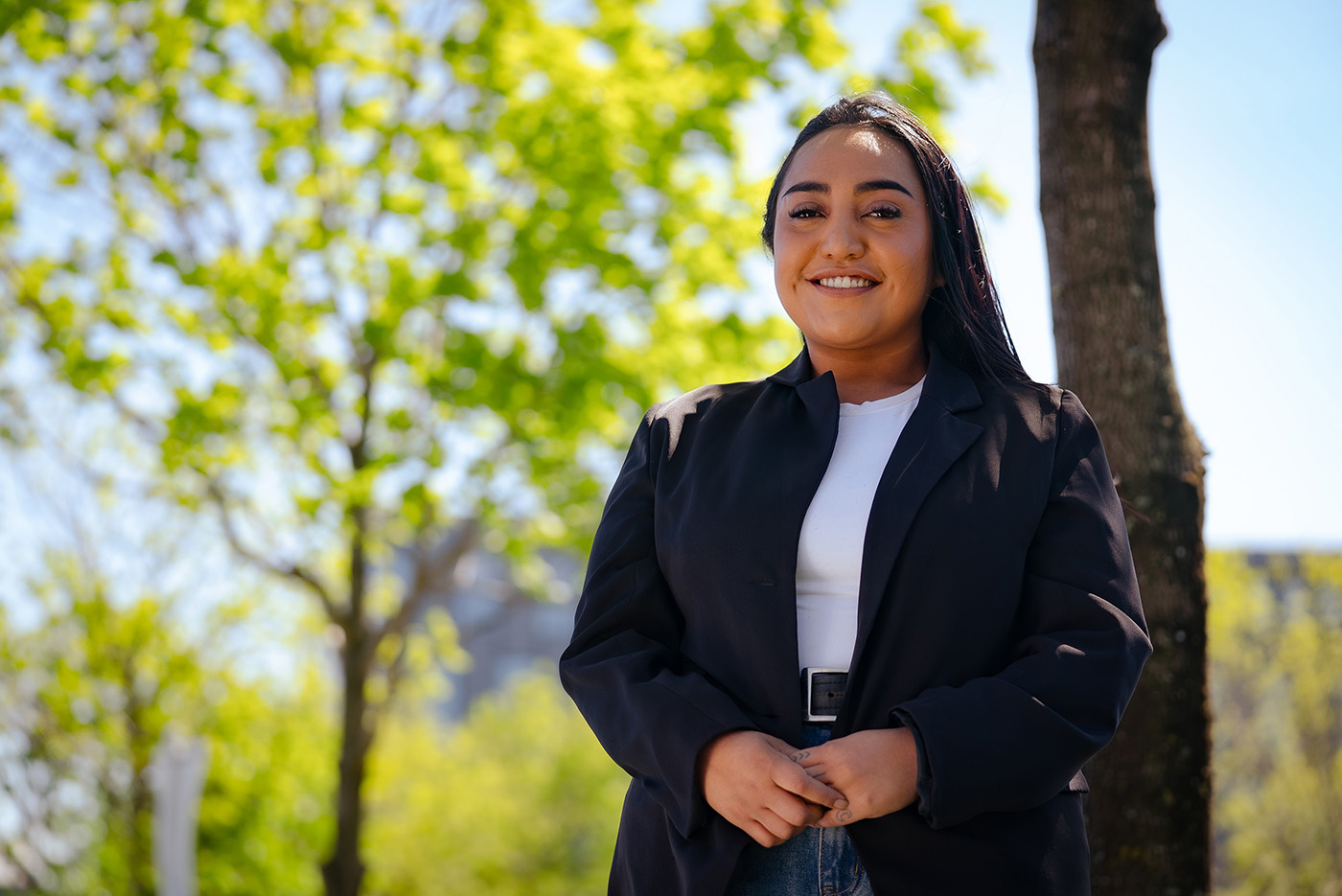
We support projects to gather evidence, surface insights, and figure out what’s working, what’s not, and why. It’s a process that values learning on the go, understanding where shifts are happening, and figuring out how to move more intentionally toward transformation. We get to create space for kōrero, whanaungatanga and collective reflection recognising that change doesn’t follow a straight line.
What I enjoy about this mahi is that it’s grounded and relational. We’re not separate from the work, we’re in it, helping to build a culture of learning across the organisation. Being Kāi Tahu, I feel a responsibility to make sure our work is grounded in our values, our stories, and our ways of seeing the world. Systems change isn’t abstract, I see it in my own whānau, in the whenua I come from and in the opportunities and barriers that shape our everyday lives. Working at Tokona means I get to be part of reshaping those systems, not by fitting into them, but by challenging them and centring our whakapapa in how we think, plan and act. That’s what makes this mahi matter and why I care so much about doing it well.
We support projects to gather evidence, surface insights, and figure out what’s working, what’s not, and why. It’s a process that values learning on the go, understanding where shifts are happening, and figuring out how to move more intentionally toward transformation. We get to create space for kōrero, whanaungatanga and collective reflection recognising that change doesn’t follow a straight line.
What I enjoy about this mahi is that it’s grounded and relational. We’re not separate from the work, we’re in it, helping to build a culture of learning across the organisation. Being Kāi Tahu, I feel a responsibility to make sure our work is grounded in our values, our stories, and our ways of seeing the world. Systems change isn’t abstract, I see it in my own whānau, in the whenua I come from and in the opportunities and barriers that shape our everyday lives. Working at Tokona means I get to be part of reshaping those systems, not by fitting into them, but by challenging them and centring our whakapapa in how we think, plan and act. That’s what makes this mahi matter and why I care so much about doing it well.
